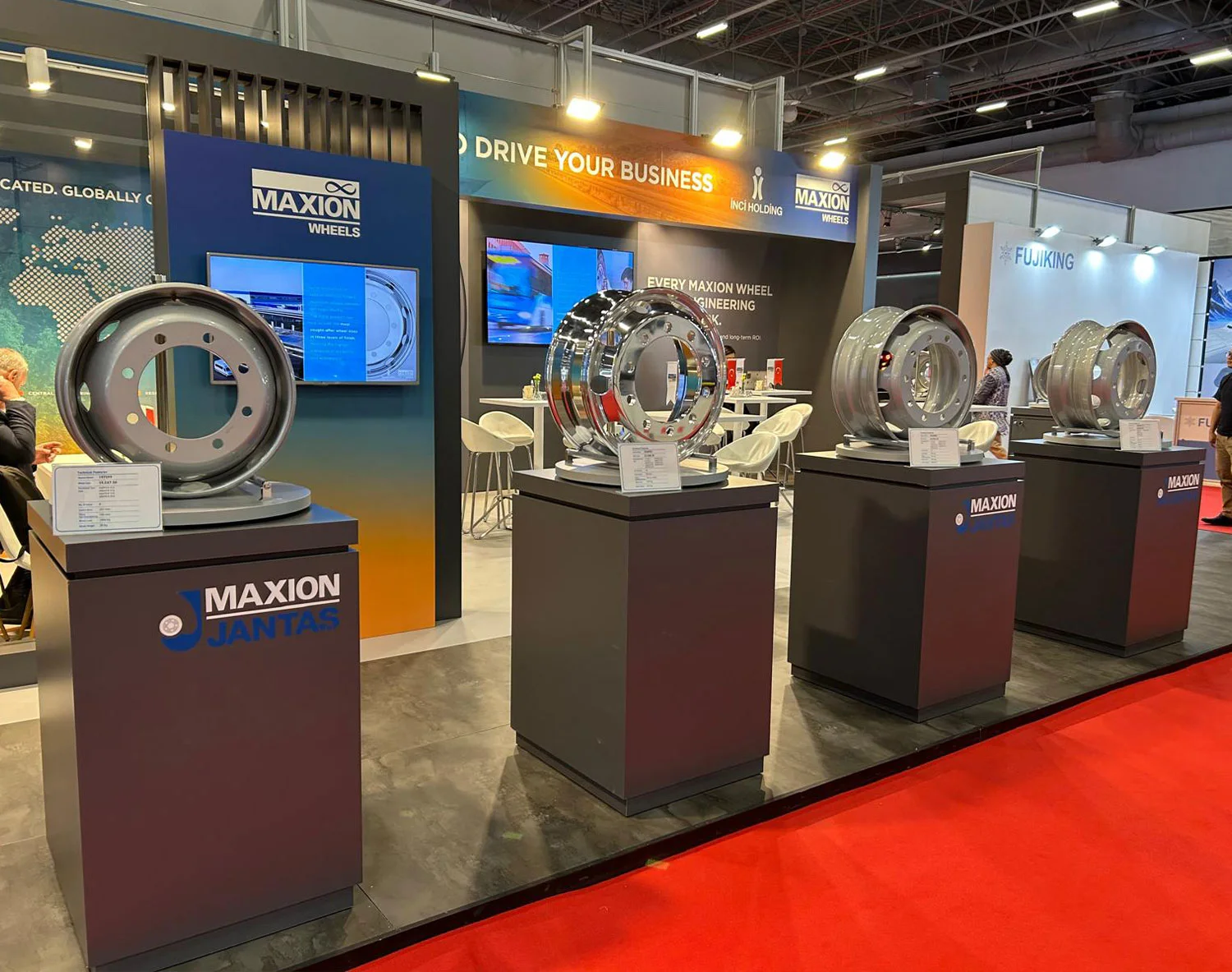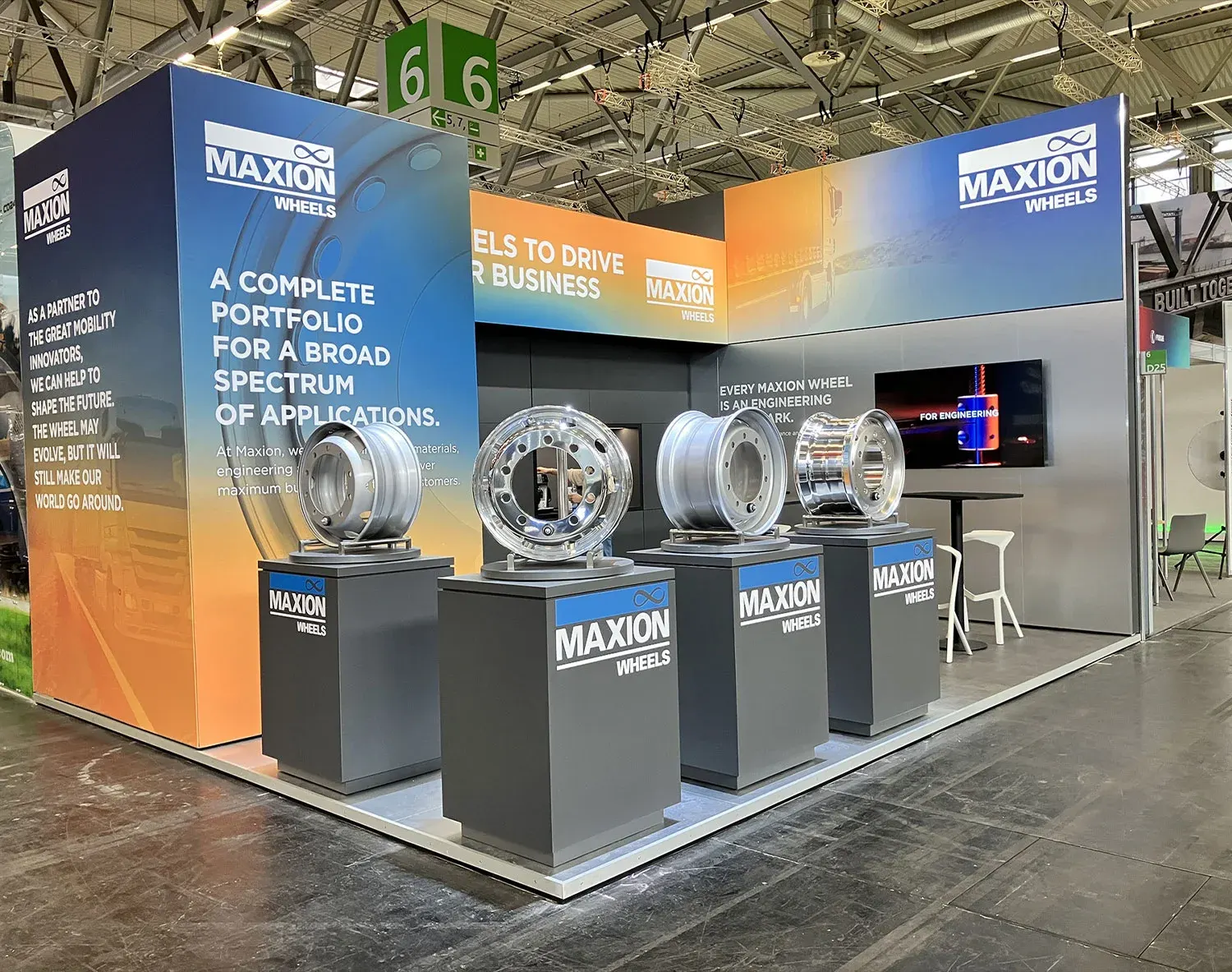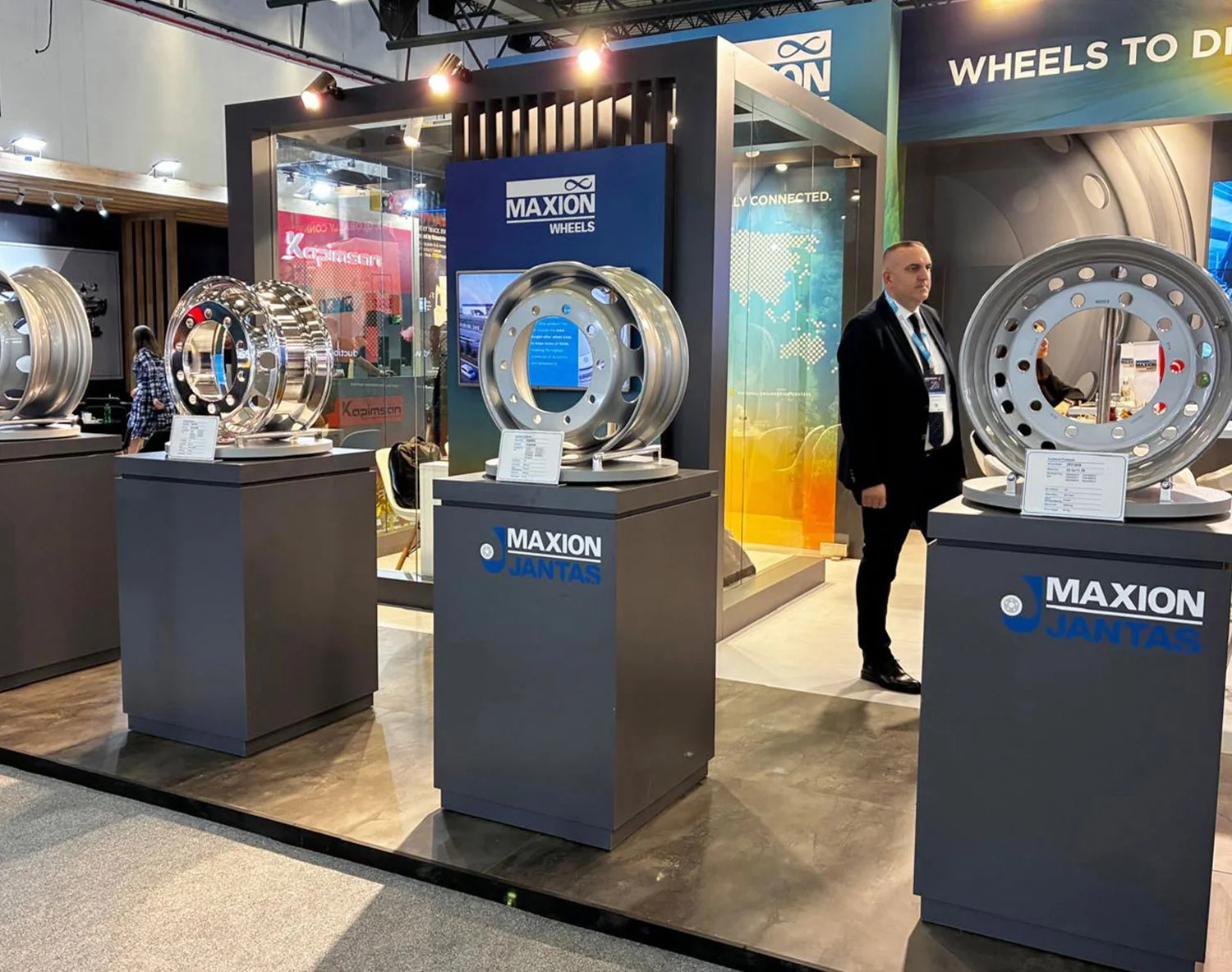
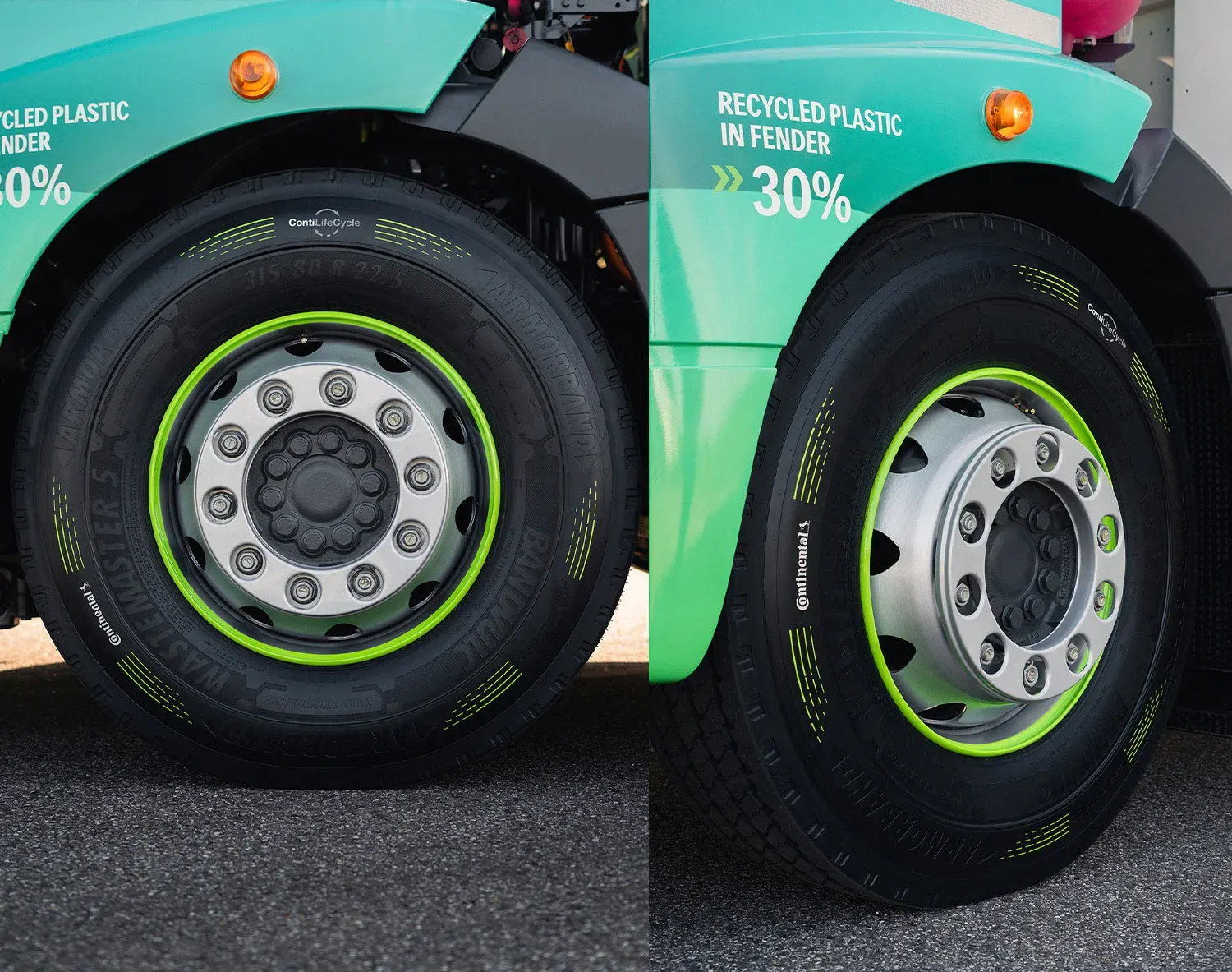
Maxion Wheels is ushering in a new era of sustainability with its next-generation steel commercial vehicle wheel developed for Daimler Truck’s reECONIC concept vehicle project. Combining advanced engineering methods with circular material strategies, the new wheel achieves a carbon footprint reduction of more than 50% compared to conventionally manufactured wheels.
The Daimler Truck reECONIC concept vehicle, equipped with these innovative wheels developed by Maxion Wheels, will be showcased at IFAT Munich 2026, taking place in Munich from May 4–6.
The Power of Circular Materials and Lightweight Design
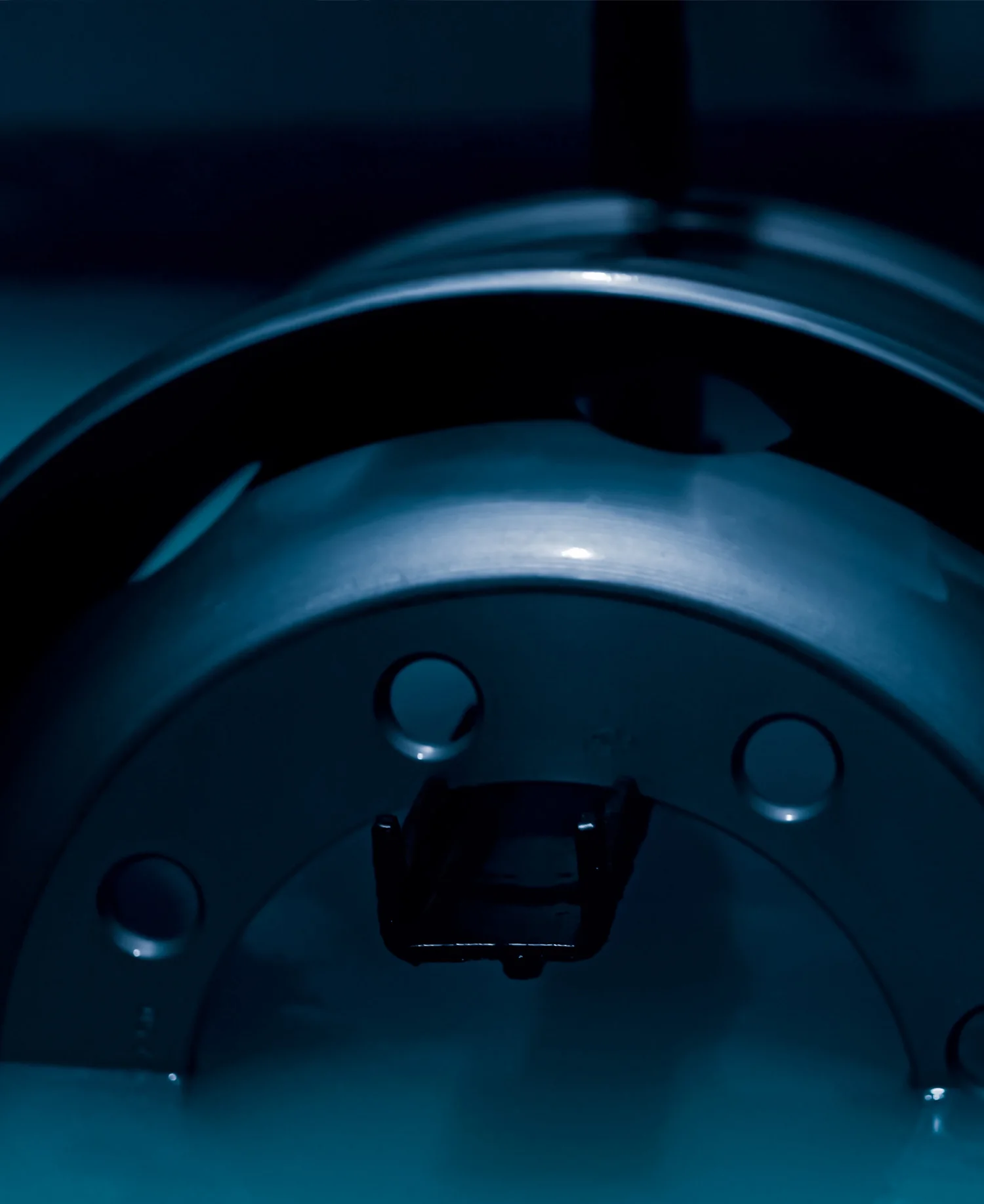
The 22.5 x 9.00-inch steel wheel, weighing 32.5 kilograms and fitted on the reECONIC vehicle, is manufactured using low-carbon steel produced through the Electric Arc Furnace (EAF) process and containing a high proportion of recycled scrap material.
Thanks to this strategic material selection and optimized design approach, the wheel’s CO₂ footprint—from raw material sourcing through manufacturing—has been reduced from 132.7 kilograms to 61.4 kilograms, without compromising performance, functionality, or safety.
A New Era of “Smart Lightweighting” in Engineering
As one of the heaviest and most safety-critical components of commercial vehicles, wheels play a key role in reducing emissions. For this project, Maxion Wheels focused on two core strategies: Smart Lightweighting Design and Circular Material Utilization.
Through Maxion’s proprietary Lightweighting Process, wheel geometry and material usage were optimized while maintaining performance, safety, and manufacturing requirements. Applied to the reECONIC wheel, this process delivered a 2-kilogram weight reduction compared to previous designs, contributing to lower material consumption and a reduced overall carbon footprint.
Approximately 75–85% of the carbon footprint associated with steel wheel manufacturing originates from raw materials. By utilizing low-carbon steel produced via the EAF process and containing high levels of post-consumer recycled scrap, Maxion significantly reduced dependence on iron ore mining and energy-intensive production methods.
From Concept to Scalable Industrial Solution
Daimler Truck positions the reECONIC project as a roadmap toward future seriesproduction applications. The materials and manufacturing processes validated through the project will form the basis for the development of future production vehicles and will undergo extensive real-world road testing beginning in the second half of 2026.
Within this framework, Maxion Wheels demonstrates that its low-carbon steel wheel is not merely a concept innovation, but a component designed for industrial-scale production, supporting the commercial vehicle industry's transition toward more sustainable mobility solutions.