
Sustainability

Innovative Solutions for a Sustainable Future

Our Commitment

Building a Net-Zero Future

We aim to achieve net-zero emissions across our operations by 2040 — a commitment that extends beyond our company to the wider mobility industry. Through Roadmap Zero, aligned with the Paris Climate Agreement’s 1.5°C ambition, the United Nations Global Compact and the SBTi Net-Zero Standard, we are taking decisive steps toward more sustainable operations, supply chains and mobility solutions.

Moving Forward with Determination

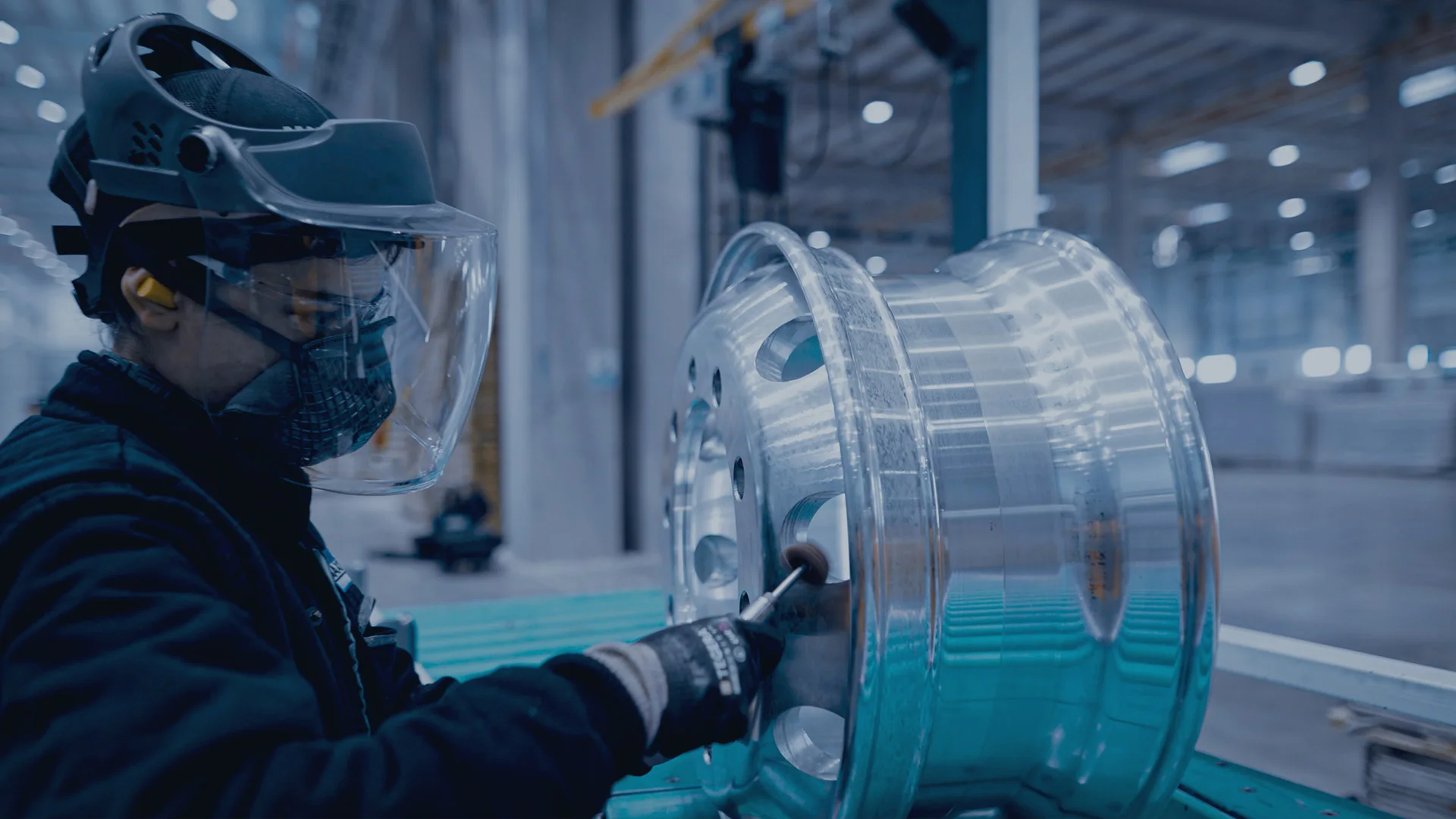
We reduce the carbon impact of wheel production through clean energy, more efficient product and process design, and the use of low-carbon materials.

Our 2030 Target: Reducing CO₂ Emissions by %70

More detailed information is available in the Iochpe-Maxion Integrated Report.

Explore the Report

Taking Action Through Energy

We continuously improve energy efficiency, increase our use of green electricity, invest in renewable energy generation at our facilities and work toward sustainable biogas integration

Protecting and Regenerating Nature.

Responsible
Sourcing

Maxion’s Responsible Sourcing approach encourages suppliers and sub-suppliers to align with and go beyond the global sustainability agenda. More information on supplier guidelines and requirements is available here.

Shaping the Future
with Smart Design

To support our customers’ climate goals, we develop wheel designs and manufacturing processes that maximize the benefits of low-carbon materials, reducing CO₂ emissions across production while making wheels lighter, more aerodynamic and more energy-efficient.

Conserving
Resources

We focus on manufacturing with the lowest possible environmental impact.

  • We use renewable energy, natural gas and water recycling systems.

  • Our circular economy approach focuses on conserving and reusing primary and secondary raw materials while minimizing waste.

  • We reintegrate metal scrap from our production processes into the supply chain through direct reuse and sale.
Low-CO₂ Solutions

Low-CO₂ Steel Wheels

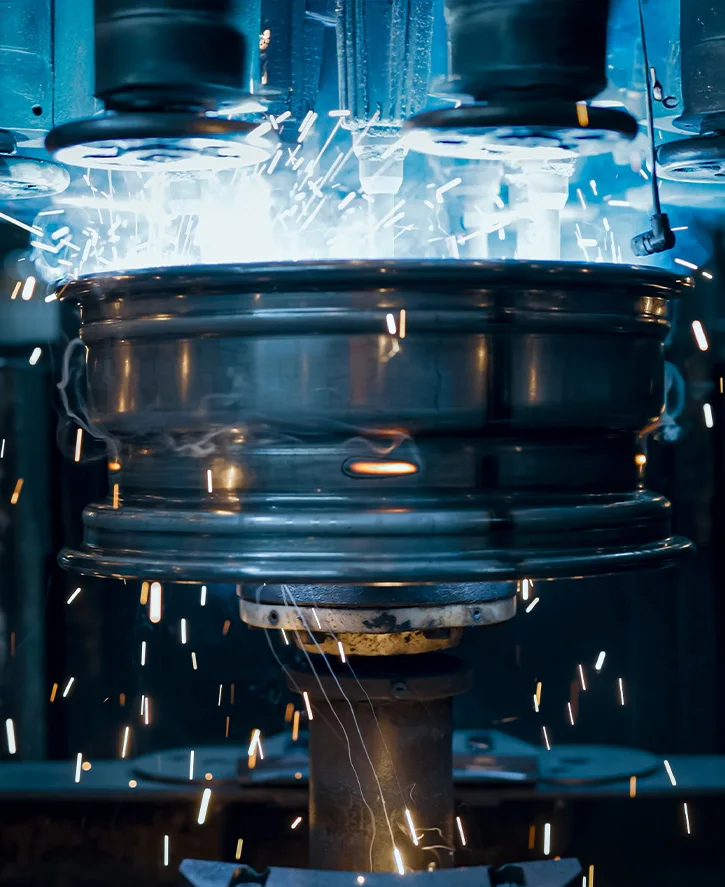
Maxion Wheels develops next-generation steel wheel solutions with strong sustainability advantages. Steel wheel production can achieve approximately six times higher energy efficiency than aluminum alternatives, enabling a lower manufacturing carbon footprint.

Ultra-Low CO₂ Aluminum Wheels

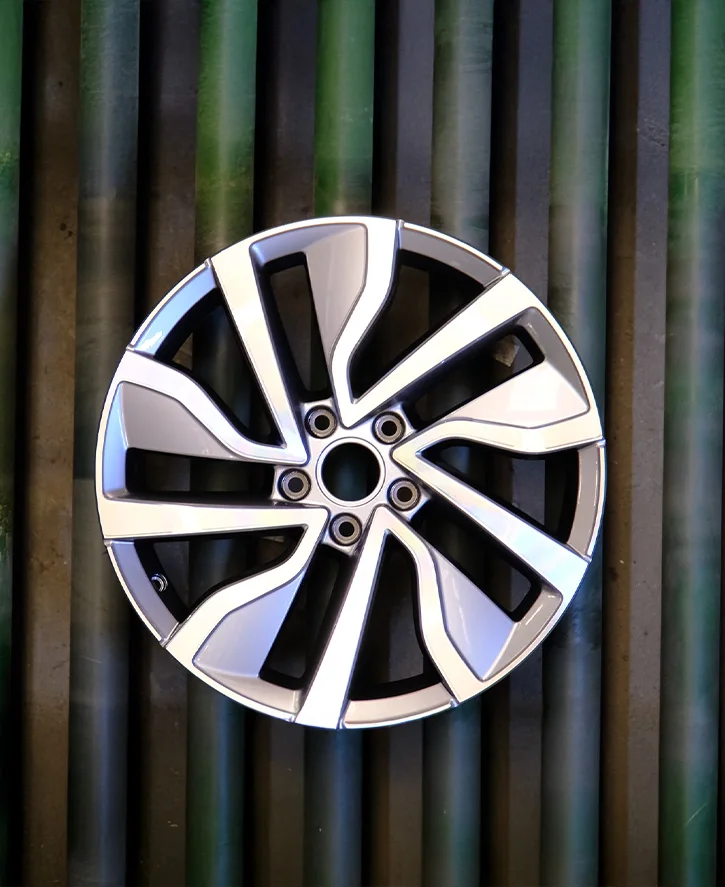
In line with its 2030 sustainability goals, Maxion Wheels is increasing the use of recycled and sustainable materials in wheel production, reducing raw material consumption and minimizing waste through a circular economy approach.

Ultra-Low CO₂ Steel Wheels

Similarly, the use of sustainable and recycled materials in steel wheel production supports resource efficiency and helps further reduce the carbon footprint of steel wheels.

Wheel Sustainability Indicator: Definition and Assessment

In line with the 2050 Paris Agreement, the European Union’s “Fit for 55” framework aims to cut net greenhouse gas emissions by at least 55% by 2030, encouraging innovation and accelerating the transition to zero- and low-emission mobility.

Carbon reduction targets now extend far beyond Europe. Across the global automotive value chain, manufacturers face increasing pressure to accelerate sustainability transformation, while a clear standard for measuring and reporting part-level equivalent emissions is still lacking.

When OEMs work to reduce their carbon footprint, wheels are among the first components they consider. At Maxion Wheels, we support dedicated customer programs focused on green energy and material sources, and we expect demand for these solutions to continue growing.

A Clearer Way to Measure Sustainability Performance

A wheel’s environmental impact can be estimated through Life Cycle Assessment, but LCA alone does not fully reflect sustainability performance. A more complete approach must also consider lightweighting factors such as mass and load-carrying capacity.

For this reason, Maxion Wheels and industry stakeholders developed the Wheel Sustainability Indicator Methodology, a standard definition and rating method for calculating and reporting wheel-level CO₂ e emissions within a cradle-to-gate life cycle framework. This enables more transparent, comparable and meaningful sustainability assessment across the automotive industry.

Get in Touch

We support knowledge and experience sharing at national and international levels, helping strengthen capabilities and create a strong foundation for experimentation, innovation and effective planning.

Would you like to collaborate with us or learn more about our work?

Contact